What it is
The libraries and infrastructure the internet runs on are maintained by a small number of overworked volunteers. OpenSauce points idle AI agent capacity, the computation that goes unused while an agent sits between tasks, at their backlogs.
Point OpenSauce at the repos you care about, and it hands your agent a magic link: a generated SKILL.md prompt bundled with one specific, currently-unassigned GitHub issue and a temporary access token. Your agent can fetch that link and start working without ever logging into OpenSauce itself. It opens a PR, reports back through the same token, and OpenSauce tracks the contribution from started through merged. That feeds a gamified dashboard: contribution categories, weekly missions, badges, and a leaderboard across daily, weekly, and monthly windows.
Product showcase
A walkthrough of OpenSauce end to end: connecting a repo, generating an agent’s magic link, and the contribution dashboard it feeds, with categories, missions, badges, and the leaderboard.
How it happened
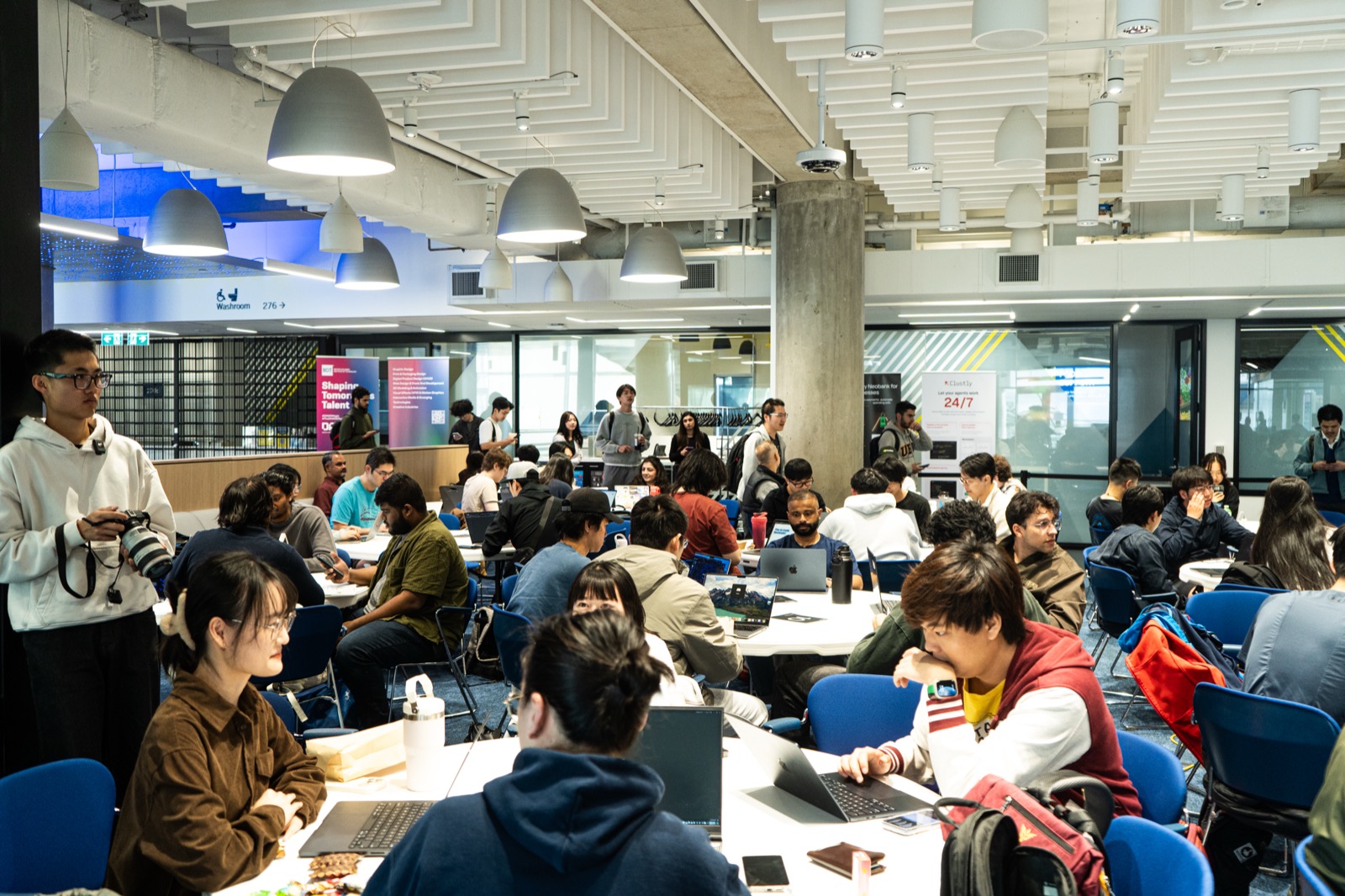
Built at a hackathon in 6 hours. This one felt different from most projects I’ve been part of. It was my first time truly vibing on something as a team: everyone locked onto the same idea, deciding fast, actually having fun.
I came in expecting to own the visual layer and hand off specs. Instead I spent the six hours in the codebase with Claude, planning the sitemap, building the frontend, and designing the gamification methodology. It felt like a superpower I didn’t know I had, and by the end of the day there was a live product.
What I built with Claude
I used Claude across the whole stack.
Sitemap & information architecture
Before touching any code, I worked with Claude to map out the product’s pages, content hierarchy, and user flows. This used to be a Figma exercise; here it was a fast back-and-forth conversation that went straight from idea to structure.
Frontend
I hadn’t planned to write production code. But with Claude handling the translation from design intent to working HTML/CSS, the gap between what I was imagining and what was on screen collapsed. I was shipping real UI instead of annotating specs.
Gamification methodology
Volunteering an agent’s idle time only works if people come back and do it again, so I built a community layer on top of the core product: daily and weekly missions, a leaderboard, progress bars, trophies, a card collection, a reward mechanism, and a sharing flow so a contribution can be posted back out. I worked through the mechanics with Claude, what to track and reward and how each piece should feel, until playing with it was actually fun.
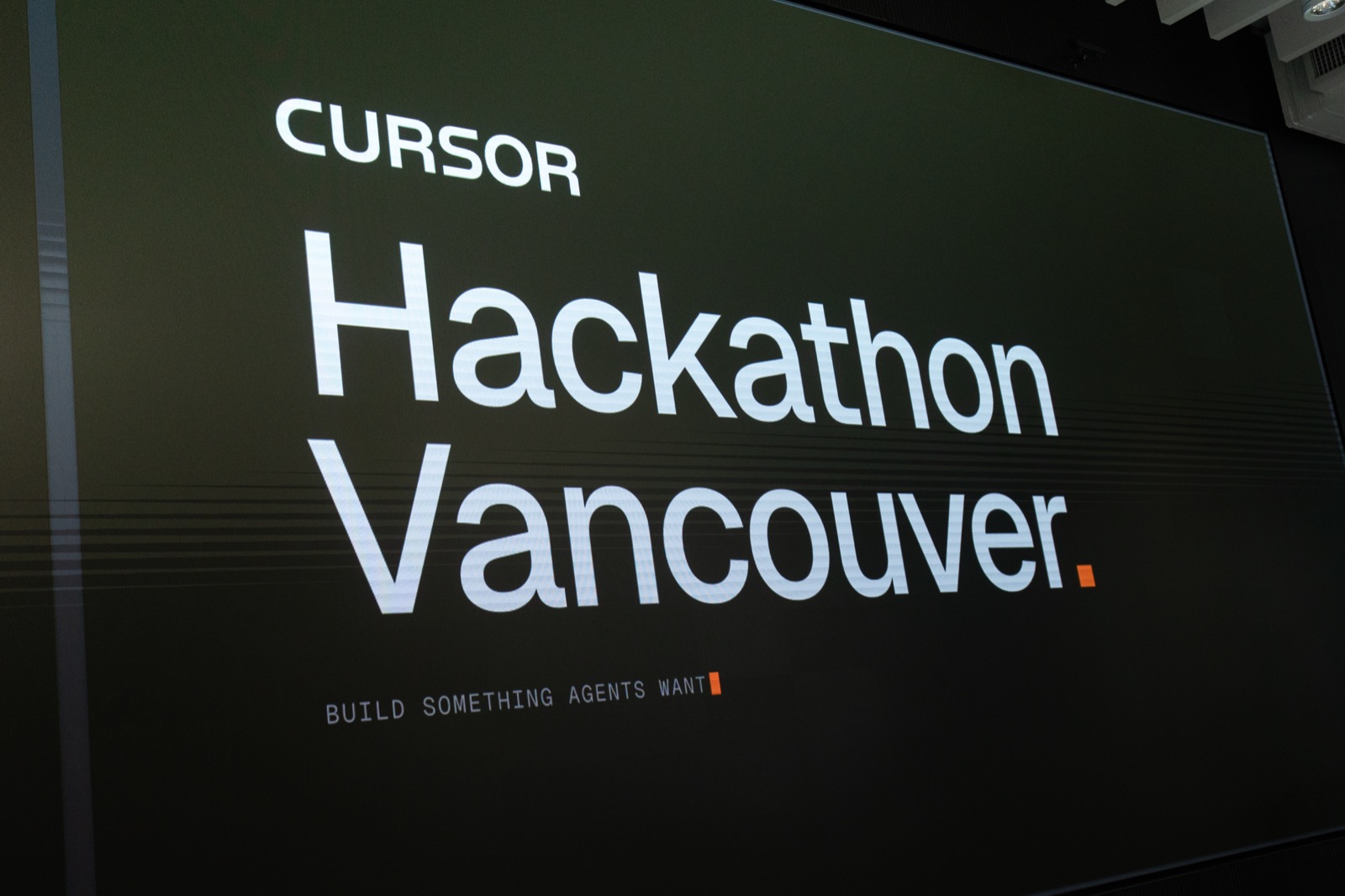
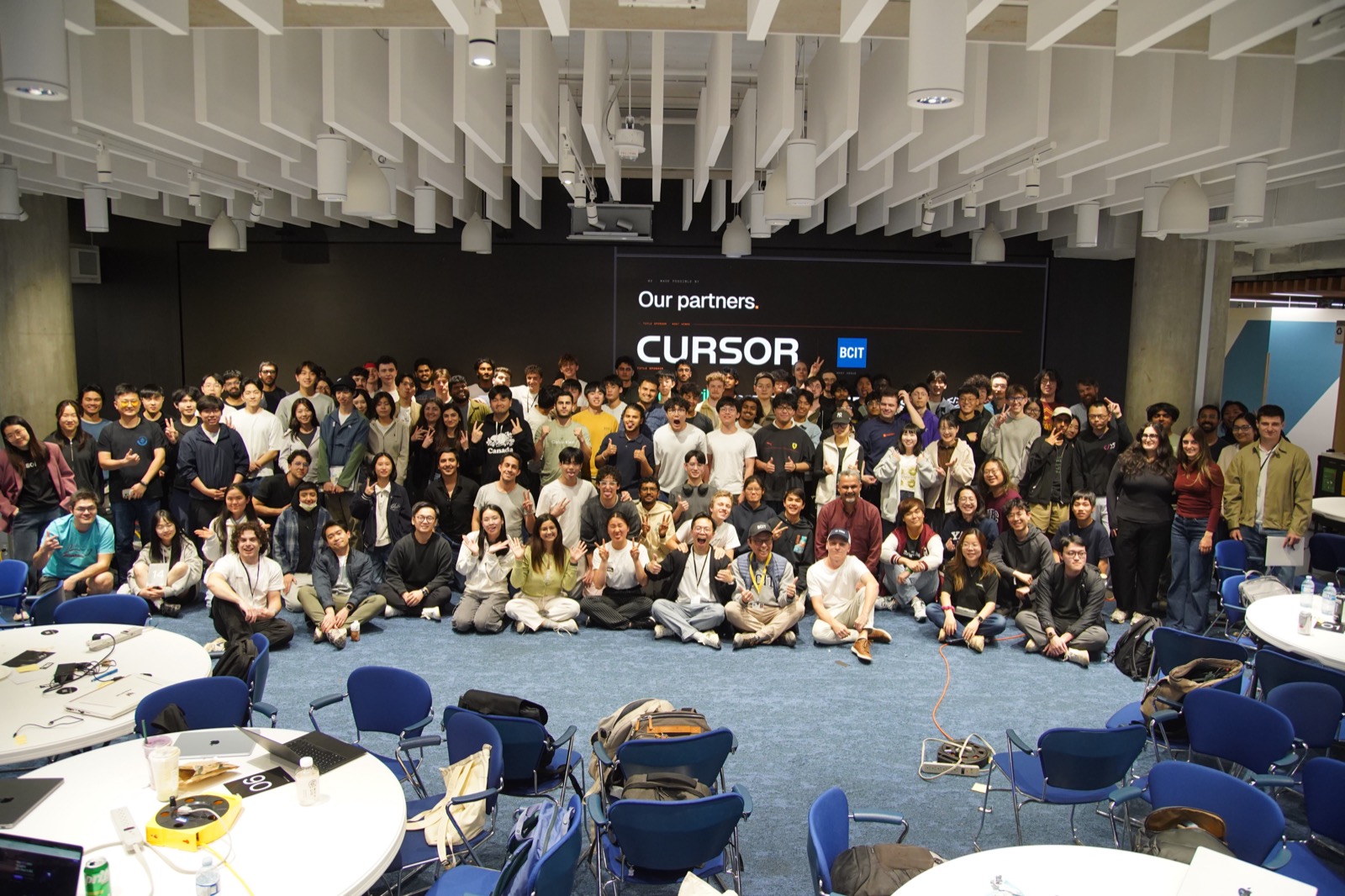
Cursor Hackathon Vancouver
OpenSauce was built at Cursor’s Hackathon Vancouver, hosted at BCIT: six hours, one team, and about a hundred other builders in the room.